Coolertron, turning waste into conversation
What happens when you look at a water cooler and see possibility, not waste? Coolertron is a new sculpture built from repurposed cooler components, designed to spark practical conversations about recycling and circular thinking. For B2B teams balancing sustainability targets with day-to-day service, it is a reminder that progress should be visible, straightforward, and easy to talk about.
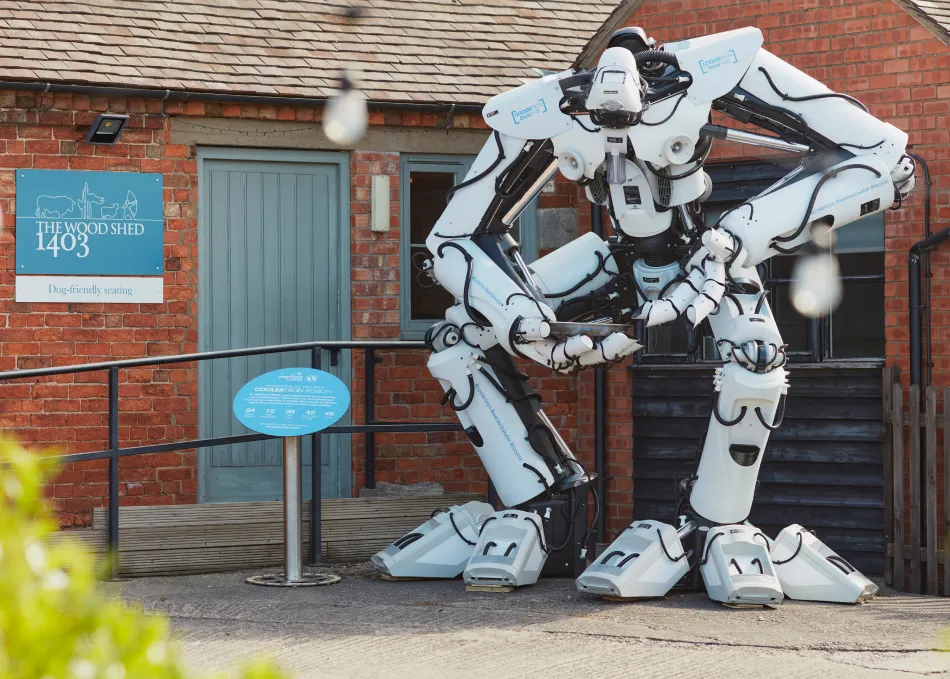
Crafted entirely from repurposed water cooler parts, including cases, lids, drip trays and cup dispensers, Coolertron challenges how we think about materials at end of life. Instead of treating components as “done” once they have served their first purpose, it reframes them as resources with value. Look closely and you can spot the familiar shapes that usually sit quietly in offices, gyms, warehouses and visitor sites. Here, they become something you cannot ignore, and that is the point.
The piece was brought to life by local artist Luke Kite. The design is deliberately bold because it is meant to prompt a question: what is this made from, and what else could we do with it? That small moment of curiosity matters. Sustainability can sometimes feel like a spreadsheet exercise, full of acronyms and targets that people struggle to connect to their everyday work. A physical object flips that dynamic. It makes the conversation immediate, and it makes circular thinking feel practical rather than abstract.
That matters for organisations that are growing, scaling service, or simply trying to reduce waste without adding complexity. Waste reduction often comes down to a chain of small choices: what you buy, how you maintain it, how long it stays in service, and what happens when something reaches the end of its working life. Coolertron is a reminder to look for reuse first, and to design systems that make recycling the easy option. It also highlights a simple truth: the most effective sustainability changes are often the ones people can understand quickly and repeat consistently.
When you are reviewing sustainability, it can help to pressure-test the basics. Can materials be recycled locally, and are there parts that can be repaired or replaced rather than scrapped? Can suppliers show, in plain terms, what happens to components when they are collected or returned? Can you measure the difference between “disposed of” and “recovered”, and is everyone using the same definitions? Those conversations are often where small operational changes start, and where real progress is made.
For Wenlock Spring, Coolertron reflects the direction of travel: practical sustainability, continuous improvement, and keeping materials in use for longer. From recyclable packaging to a circular supply chain, our focus is on reducing waste and improving how resources are managed over time, without making claims that cannot be backed up. Coolertron has already been turning heads at the Shrewsbury Food Festival, Battlefield Farm Shop, RAF Cosford Air Show and Love2Stay Mid Wales, and it is heading to new locations soon.
Other interesting articles
Making responsible choices feel included

35 acres of miscanthus: the crop powering our site and strengthening the land
Welcoming Our MP On Site