35 acres of miscanthus: the crop powering our site and strengthening the land
When parts of the UK faced one of the driest spells on record in 2025, it was a reminder that water resilience starts long before a bottle is filled. With miscanthus already established elsewhere on our land, we planted a further 10 acres on-site in April 2025, bringing the total to roughly 35 acres. It has established strongly and will do more as it matures, season after season.
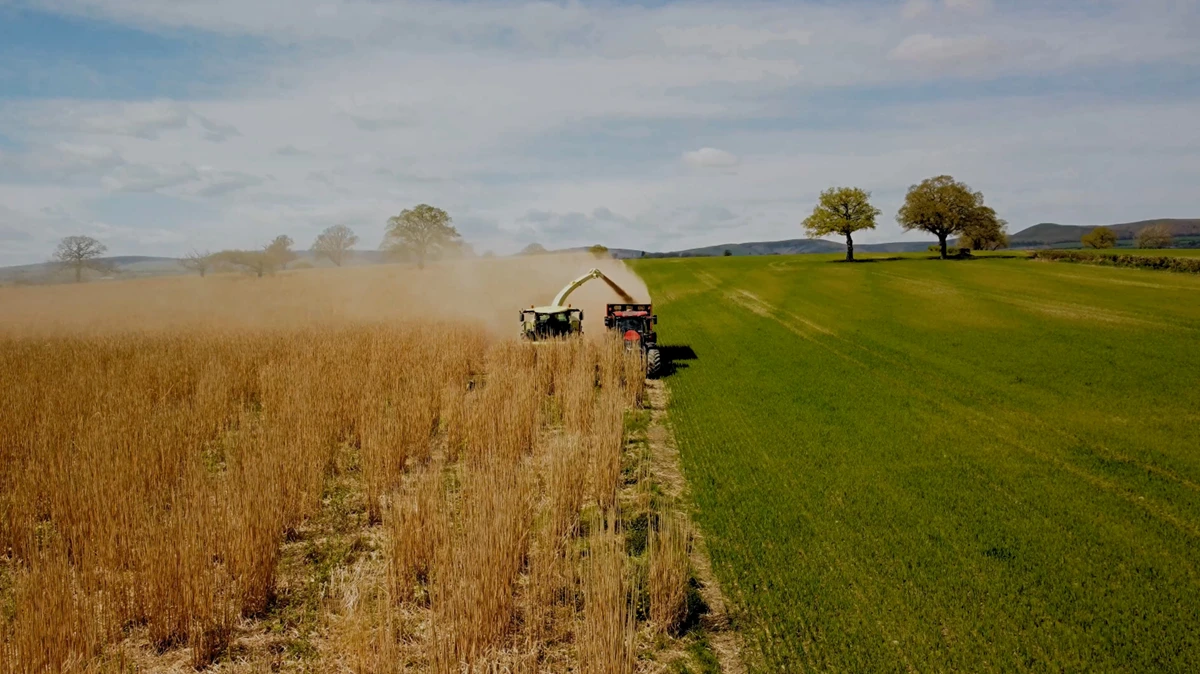
Sustainability can feel like a long list of promises. We prefer changes you can actually see on the ground, and benefits that support day-to-day operations. Miscanthus is a tall, fast-growing grass, and it is one part of a wider approach to regenerative farming at Wenlock Spring. In simple terms, that means improving the health of the land around our source while restoring nature, not just trying to reduce harm.
There is also a practical reason we chose this crop. Miscanthus provides a renewable fuel source for our biomass boilers, helping us generate site heat from a crop grown on our own land. That supports energy resilience, reduces reliance on external fuels, and keeps more of the value of our sustainability investment right here at source. As the plantation develops, it is designed to lock away around 1,400 tonnes of CO₂ in the soil and improve year-round ground cover. Miscanthus is a rhizome, so it can regrow year after year for around 20 years, helping deliver long-term consistency without replanting annually. It does not require additional sprays and fertilisers, and its fallen leaves create a natural mulch that breaks down to help fertilise the soil.
Better ground cover helps protect the soil structure, and biodiversity matters too. The miscanthus sits alongside nectar-rich flower margins, creating habitat that supports wildlife on site through the seasons. When conditions are right, butterflies and bees make the most of these areas, and the varied planting helps keep the land active and resilient throughout the year. The crop itself can also provide shelter for wildlife including ground-nesting birds, as well as a thriving environment for worms and insects, which are essential for healthy soils.
We have also planted 1,700 native trees around our protected spring. Over time, this planting is expected to capture an extra 35 tonnes of CO₂ each year, while strengthening biodiversity and helping safeguard the water source for generations to come. Along streams, tree planting can also improve water retention and help reduce the chance of flooding and soil erosion.
Regenerative farming is not a single project with a finish line. It is an ongoing commitment to test what works, measure what we can, and keep improving how we use resources at the source.
Other interesting articles

Welcoming Our MP On Site

Coolertron, turning waste into conversation

Making responsible choices feel included